
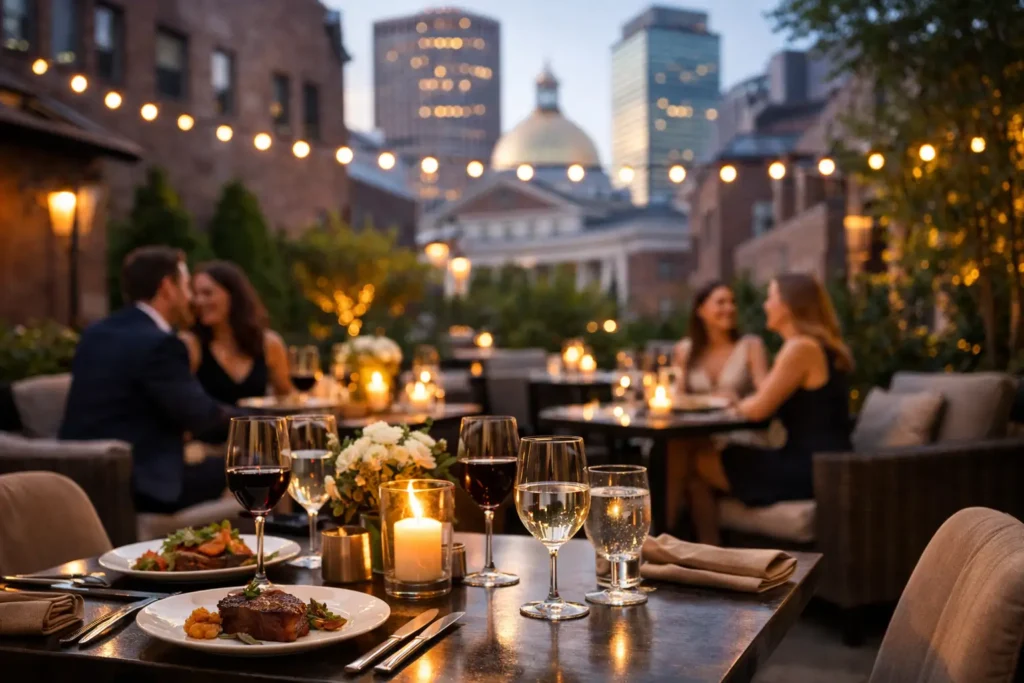
A private dinner should feel different the moment guests arrive. The lighting is warmer, the welcome more personal, the table set with intention. For private dining Boston professionals and hosts can feel proud to bring clients, friends, or family to, the details matter as much as the menu: a room with presence, service with polish, and drinks worth lingering over.
Whether the occasion is a client dinner in the Financial District, a milestone birthday, an engagement celebration, or a team gathering that deserves more than a conference room, the right venue turns a reservation into an experience people talk about afterward.
What Makes Private Dining in Boston Feel Exceptional
Private dining is not simply a larger table separated from the main dining room. It is the ability to give an occasion its own rhythm. Guests should be able to toast, connect, and celebrate without competing with the pace of a crowded dining room, while still enjoying the energy that makes a great Boston night out feel alive.
Atmosphere sets the tone before the first course lands. A polished setting with rich textures, flattering light, and confident design signals that the host has chosen well. For business entertaining, that sense of occasion helps clients feel valued without making the evening stiff. For social celebrations, it gives everyone a reason to dress up, order another round, and stay a little longer.
The food and beverage program must carry equal weight. A memorable private event needs a menu with range: dishes that feel elevated, options that suit different appetites and dietary needs, and a presentation that encourages conversation at the table. Pair that with an outstanding wine list and a cocktail program built around thoughtful, beautifully balanced drinks, and the evening begins to feel complete.
Start With the Purpose of the Gathering
The smartest way to choose a private dining room is to decide what the night needs to accomplish. A board dinner, a product celebration, and a 40th birthday may all involve a group meal, but they call for different pacing, privacy, and energy.
For a client or executive dinner, consider a setting that allows easy conversation and attentive service without frequent interruptions. A curated multi-course meal and wine pairings can communicate generosity and care, particularly when the guest list is small enough for genuine connection. In this setting, discretion and timing often matter more than spectacle.
A social event can invite more movement. Guests may prefer passed tapas, shared plates, dazzling martinis, and an easy transition from dinner into the lounge. This style works beautifully for birthdays, reunions, and after-work celebrations because no one is confined to a formal seat for the entire evening. It also gives hosts a graceful answer to varying arrival times.
For a larger company gathering, the balance is different. You need a room that can handle conversation, presentations, and service without losing its sense of style. Ask how the space is arranged, whether a welcome cocktail reception can precede dinner, and how the event will flow when guests move from one moment to the next.
Build a Menu That Keeps the Table Engaged
A private dining menu should feel considered, not restrictive. Fixed menus are often the most practical choice for groups because they keep service smooth and give the kitchen a clear plan. But practical does not have to mean predictable. The best selections combine familiar favorites with chef-driven dishes that feel particular to the restaurant.
A plated dinner brings structure and refinement, making it an excellent fit for a formal celebration or an evening where speeches are planned. Family-style service creates a more communal mood and suits guests who enjoy sharing. A reception built around tapas and passed bites adds momentum, especially for events where mingling is part of the point.
The right format depends on your group. If guests do not know each other well, shared plates can break the ice. If the event includes clients, a composed seated dinner may offer a more comfortable setting for conversation. If the goal is pure celebration, begin with cocktails and small plates before moving into a more substantial dinner.
Do not leave dietary requirements until the last week. Share allergies, vegetarian preferences, and other needs early, then ask how they will be handled. Guests remember when a host has anticipated their comfort. They also remember when they have been left with only a side salad.
Let the Drinks Do Some Hosting
Beverages shape the energy of a private event. Champagne or sparkling wine signals celebration immediately, while a welcome cocktail gives guests an easy first conversation. A well-chosen red or white pairing can carry dinner with understated elegance. For a more spirited group, a short menu of signature martinis, classic cocktails, and thoughtful zero-proof options ensures everyone has something polished in hand.
There is a trade-off to consider. An open bar can feel generous but may make budgeting less predictable. A hosted selection of wine, beer, cocktails, and nonalcoholic drinks gives guests variety while helping the host set clear parameters. For corporate events, drink tickets or a reception-hour format can offer the same sense of hospitality with more control.
Choose a Location That Respects Your Guests’ Time
In Boston, convenience is part of the luxury. A Financial District location makes an immediate difference for weekday business dinners, downtown meetings, and groups arriving from nearby offices. It can also make a social event easier to attend when guests are coming from different neighborhoods or continuing their evening elsewhere in the city.
Consider the practical questions that affect turnout: Is the restaurant easy to reach after work? Are there transit and parking options nearby? Can early arrivals enjoy a drink at the bar without feeling in the way? Is there a lounge atmosphere for guests who want to extend the night? These details may not appear on an invitation, but they influence how relaxed everyone feels.
A venue that moves naturally from dinner to cocktails is especially valuable. It removes the awkward question of where to go next and allows the host to keep the group together. At Vintage Restaurant & Lounge Boston, that progression can move from an exquisite dinner to leather-clad lounge seating and late-night drinks without asking guests to trade a polished setting for a second destination.
Ask the Questions That Protect the Experience
Before confirming a date, have a direct conversation with the events team about the room, menu, minimum spend, timing, and service plan. A beautiful room is only one part of the decision. Clear expectations are what keep the evening from becoming a series of last-minute compromises.
Ask whether the space is fully private or semi-private, and be candid about how much privacy you need. Semi-private spaces often retain more of the restaurant’s atmosphere and may be ideal for a lively birthday or team dinner. A fully private room is generally better for confidential business conversations, formal remarks, or guests who want to celebrate without outside distraction.
It also helps to discuss the event timeline in detail. When will guests arrive? Will there be a reception? When should dinner begin? Are speeches, a cake presentation, or a toast planned? A strong hospitality team can advise on pacing, but only when they understand the shape of the evening you want to create.
Review financial details with the same care. Confirm food and beverage minimums, room fees if applicable, gratuity, tax, deposit requirements, cancellation terms, and the final guest-count deadline. This is not the glamorous part of planning, but it prevents surprises and lets you host with confidence.
The Small Details Guests Actually Notice
The most successful private events feel effortless because someone has paid attention to the details. Personalized menus, a tailored wine selection, reserved lounge seating after dinner, and a properly timed toast can make a gathering feel unmistakably intentional. You do not need to overdesign every moment. In fact, too much programming can make a dinner feel like a meeting.
Focus instead on a few strong choices: a room that suits the group, a menu with real appeal, drinks that match the mood, and enough time for people to enjoy one another. Let the setting handle the rest.
When you are planning private dining in Boston, choose a venue that can make the occasion feel as polished as the people around the table. Give your guests remarkable food, a beautiful pour, and a room that invites them to stay. That is how a dinner becomes the kind of night no one is in a hurry to leave.