
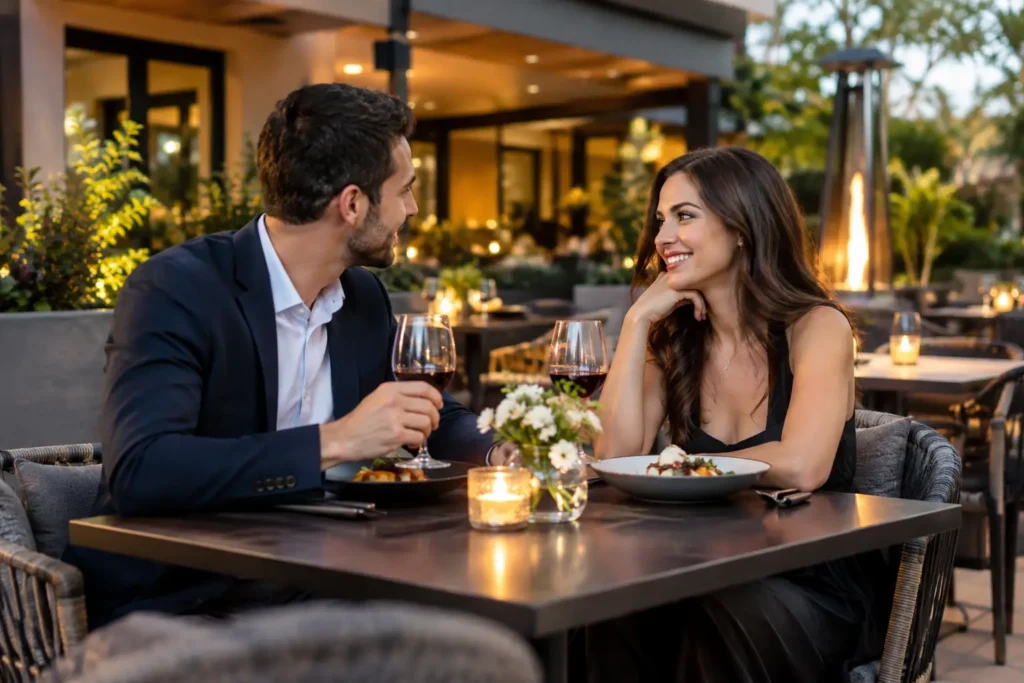
The best date nights are rarely remembered for one flawless entrée. They linger because the room felt right, the first drink arrived at the right pace, and conversation had room to become something more. Choosing upscale date night restaurants is really about selecting the setting for that kind of evening – one with enough polish to feel special and enough ease to let the two of you relax.
A beautiful dining room matters, but it is only the beginning. The most satisfying choice brings together food, service, lighting, music, timing, and a drinks program that gives the night its own rhythm. Whether you are planning a first date after work in Boston’s Financial District or marking an anniversary with someone who knows your usual order, a little intention makes the experience feel more personal.
Start With the Kind of Evening You Want
Before looking at menus or reservation times, decide what you want the night to feel like. An intimate anniversary dinner calls for a different atmosphere than a lively second date, and a client relationship that is turning social requires its own degree of restraint. A restaurant can be upscale without being hushed. It can be energetic without forcing you to compete with the room.
For a first date, look for a space that offers visual interest and a confident sense of occasion, but still allows comfortable conversation. A stylish lounge, a refined bar, or a dining room with warm, flattering light can soften the pressure of those opening hours. If the chemistry is immediate, an adjacent cocktail space gives the evening somewhere to go after dinner. If it is not, a well-paced meal still feels complete rather than awkwardly long.
For an established couple, familiarity is not the enemy of romance. A favorite restaurant can become more memorable when you change the format: begin with martinis at the bar, share several smaller plates, or choose a later reservation when the room carries more nightlife energy. The goal is not to manufacture surprise. It is to create a break from the usual routine.
Let the Room Do Some of the Work
An upscale restaurant should make a date feel elevated before the first course arrives. Pay attention to photographs, of course, but look past the perfectly composed tables. Ask yourself whether the space has a point of view. Rich materials, thoughtful lighting, polished glassware, and comfortable seating signal care. They also make it easier to settle in.
The trade-off is that moodier rooms can sometimes mean lower light and higher volume. That may be ideal for a flirtatious late dinner but less appealing when you want unhurried, meaningful conversation. Early reservations are often the answer. You get the same beautiful setting with a calmer pace, more attentive dialogue with the staff, and time to enjoy each course without feeling rushed by the room.
Consider the seating itself as well. A table along a busy walkway may be exciting for people-watching, while a quieter corner creates more privacy. Bar seating can feel spontaneous and social, particularly for a weeknight date, but it is not always the most comfortable choice for a multi-course meal. There is no universally perfect table. There is only the one that suits the occasion you are planning.
The Sound Test Matters More Than Most People Think
Music should shape the energy, not dominate it. A good date-night restaurant has a soundtrack that feels intentional, from a low, sophisticated pulse at dinner to a livelier atmosphere later in the evening. If you regularly leave restaurants hoarse from trying to talk, reserve earlier or choose a dining room separated from the busiest bar area.
A little energy is often useful. Silence can make early-date conversation feel overly formal. The best rooms offer enough movement and music to create privacy, without turning every question into a request to repeat yourself.
Read the Menu for Compatibility, Not Just Prestige
A luxurious menu is not necessarily the right menu for your date. The real question is whether both people can find something they genuinely want to eat and drink. Look for range: composed entrées for a traditional dinner, shareable plates for a more relaxed approach, and thoughtful options for dietary preferences without reducing anyone to an afterthought.
Sharing food can be wonderfully natural when it matches the dynamic. Tapas, raw bar selections, small plates, and a few dishes sent out gradually give conversation its own pace. They work especially well when the evening begins with cocktails or when neither of you wants the structure of a formal three-course dinner. On the other hand, if your date values a classic dining experience, ordering individual appetizers and entrées can feel more generous and settled.
Do not confuse an expensive menu with a memorable one. A concise, chef-driven menu that is executed with confidence often says more than pages of extravagant options. Seasonal ingredients, clear flavors, and a kitchen that understands balance are usually better indicators of a special meal than luxury ingredients included simply for effect.
Make the Wine and Cocktail Program Part of the Plan
The drinks list often determines whether dinner ends at dessert or turns into a full evening. A strong wine program gives you choices across styles and price points, with knowledgeable staff who can make a useful recommendation without delivering a lecture. If one of you prefers wine and the other prefers cocktails, the restaurant should make both feel equally considered.
A signature martini or a well-built classic can set an indulgent tone, particularly when you meet after work. Wine can invite a slower meal and a shared decision. Neither is inherently more romantic. It depends on whether you want the night to feel glamorous, leisurely, celebratory, or a bit of all three.
Set a comfortable budget before you arrive, especially if you are hosting. An upscale experience should feel generous, not tense. The right restaurant provides a range of ways to enjoy it, from a round of cocktails and shared plates to a full dinner with wine and dessert.
Service Is the Quiet Luxury
Great service is difficult to describe when it is done well because it feels effortless. Water is refilled without interruption. Courses arrive at a natural pace. A server senses whether you want guidance or space. In a date-night setting, that awareness is more valuable than theatrical formality.
Look for restaurants known for hospitality, not simply popularity. The difference becomes clear when plans change. Perhaps you are running late from the office, need a discreet celebration dessert, or want to linger over another glass of wine. A polished team handles those moments with warmth and composure.
When making a reservation, it is perfectly appropriate to mention the occasion in a brief note. Say it is an anniversary, a first date, or a birthday dinner if you want the restaurant to understand the stakes. Avoid over-directing every detail. Give the team useful context, then let them do what they do best.
Timing Can Change the Entire Experience
A 6:30 p.m. reservation and a 9:00 p.m. reservation at the same restaurant can feel like two entirely different venues. Earlier dining tends to be quieter, more relaxed, and better suited to conversation. Later reservations bring a livelier crowd, stronger bar energy, and the possibility of extending the evening without relocating.
Weeknights have their own advantages. You may find more flexibility with preferred tables and reservation times, while avoiding the compressed, high-demand feeling of a Saturday night. Fridays can be ideal when you want a sense of release after a demanding week. Sundays offer a softer pace for couples who would rather linger than perform a big night out.
Weather deserves consideration, too. A seasonal patio can add instant romance when Boston cooperates, but an outdoor table is only a good choice if you can still hear one another and remain comfortable. In cooler months, a leather-clad lounge or candlelit dining room can feel far more inviting than a view you are too cold to enjoy.
Choose a Restaurant With a Second Act
The most memorable dates do not always need a second destination. That is why restaurants that move gracefully from dinner into drinks have an advantage. You can begin over oysters and Champagne, settle into a chef-driven dinner, and continue with a dazzling martini in the lounge if the evening is going well.
At Vintage Restaurant & Lounge Boston, that range is part of the appeal: a refined dinner can become a relaxed round of cocktails without losing the atmosphere that made the reservation feel special. For busy professionals, staying in one polished setting also removes the friction of deciding where to go next.
When choosing a restaurant, consider what happens after the check arrives. Is there a bar worth sitting at? Is dessert something you will want to share? Does the room still feel inviting after the dinner rush? These details turn a reservation into an experience you will want to repeat.
The right upscale restaurant does not need to impress everyone in the room. It needs to make the two people at your table feel like the evening was designed for them.