
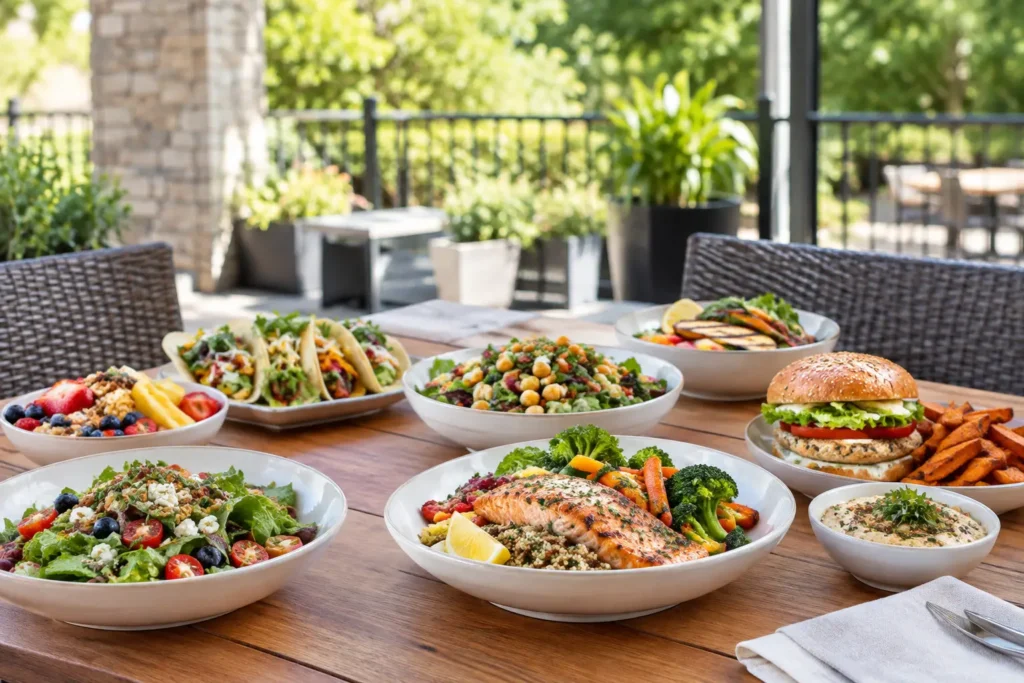
A polished dinner should never leave a guest wondering whether there will be something memorable on the table for them. Thoughtful dietary accommodation options make it possible to host a client, plan a celebration, or gather friends with confidence – while preserving the flavor, presentation, and sense of occasion that make a night out worth dressing for.
For hosts, the goal is not simply to find a dish that meets a requirement. It is to create an experience where every guest feels considered. That starts before the reservation and continues through the final course, whether the occasion calls for a refined seated dinner, a round of tapas with cocktails, or a private event with a varied guest list.
Dietary Accommodation Options Start With the Details
“Dietary restriction” can mean very different things from one guest to the next. A guest avoiding gluten by preference may have different needs than a guest with celiac disease. Someone who is vegetarian may enjoy eggs and dairy, while a vegan guest will not. A dairy-free request may be driven by an allergy, intolerance, or personal choice.
The distinction matters because the right approach is never one-size-fits-all. When making a reservation, share each guest’s needs as clearly as possible. Mention whether a request involves a food allergy, a medical condition, a religious practice, or a lifestyle preference. This gives the culinary and service teams the context to guide selections thoughtfully and, where feasible, discuss preparation considerations.
For serious allergies, direct communication is essential. Ask about ingredients, sauces, garnishes, cooking oils, and potential cross-contact in the kitchen. No restaurant should casually promise an allergen-free environment when shared equipment or ingredients are part of daily service. Honest, specific conversation is far more valuable than a vague reassurance.
What a Considered Menu Experience Looks Like
The best dietary accommodation options do not feel like an afterthought. They let guests choose from dishes with texture, depth, and visual appeal rather than settling for a plain side plate. In an upscale setting, that might mean a composed vegetable-forward entrée, a vibrant seafood preparation without dairy, or a gluten-conscious selection that still arrives with the same confidence as every other dish at the table.
Vegetarian dining, for example, can be far more compelling than removing the protein from a standard entrée. Seasonal vegetables, grains, legumes, herbs, mushrooms, and carefully developed sauces can carry a dish with real character. For guests who eat dairy and eggs, the possibilities expand further, but the central idea remains the same: the plate should feel intentional.
Vegan accommodations often require a closer look at hidden ingredients. Butter in a sauce, honey in a glaze, egg in pasta, and dairy in a purée can all change whether a dish works. A knowledgeable server can help identify menu items that may be adapted and distinguish those from preparations that are best enjoyed as originally designed.
Gluten-free dining also benefits from precision. Gluten can appear in breading, soy sauce, dressings, pasta, dessert components, and even a garnish that looks inconsequential. For guests avoiding gluten for medical reasons, it is reasonable to ask how a dish is prepared and whether shared fryers, grills, or utensils could affect it. The answer may shape the choice, but it should never diminish the evening.
Plan a Group Dinner Without the Awkwardness
Large tables are where dietary needs can become complicated quickly, especially when the meal is being arranged for a client gathering, birthday dinner, or corporate event. The most gracious hosts collect preferences ahead of time rather than putting guests on the spot after they are seated.
A short message before the event can cover the essentials: allergies, vegetarian or vegan preferences, gluten-related needs, religious dietary practices, and any guests who require nonalcoholic pairings. It is also useful to ask whether a guest’s restriction is a preference or a medical necessity. That wording is discreet, practical, and helps the venue prepare with the appropriate level of care.
For preselected menus or shared-format dining, flexibility should be built into the plan from the beginning. A multi-course experience may be ideal for the group, but it needs alternate selections that feel equally special. Shared tapas can be wonderfully social, yet they require clear communication when certain dishes contain allergens or cannot be modified. In some cases, individually plated alternatives are the better choice.
At Vintage Restaurant & Lounge Boston, the most successful group occasions begin with a detailed conversation about the guest list, the desired atmosphere, and the dining needs at the table. A little advance planning protects the effortless feel of the night.
Questions Worth Asking Before You Book
The right questions are not fussy. They are part of good hosting. Before confirming a dinner or private event, ask whether the kitchen can accommodate the specific restriction, whether advance notice is required, and whether modifications affect the intended preparation of a dish.
For allergy-related requests, ask how the team handles cross-contact and whether there are menu items they would recommend avoiding altogether. If the occasion includes wine pairings, cocktails, or a tasting menu, mention dietary needs there as well. A cream-based element, a flavored syrup, or a garnish can matter just as much as the entrée.
It also helps to be realistic about trade-offs. A restaurant may be able to omit an ingredient but not recreate a dish without changing its structure. A gluten-free option may be available, while a guarantee of zero cross-contact is not. A vegan guest may have several satisfying choices on one seasonal menu and fewer on another. Clear expectations make for better decisions and a more relaxed evening.
Dietary Needs Belong in the Celebration
Fine dining is built on hospitality, and hospitality is personal. It is the server who catches a detail before a plate reaches the table, the chef who sees an opportunity to create something beautiful within a guest’s needs, and the host who makes sure no one has to explain themselves twice.
The most memorable tables have room for everyone: the colleague with a shellfish allergy, the friend who is vegan, the guest observing a religious dietary practice, and the person who simply wants a lighter, vegetable-forward meal before a night of dazzling martinis. Their needs do not have to interrupt the rhythm of the evening. With early communication and thoughtful choices, they become part of a gathering that feels generous from the first toast onward.
When you are planning your next dinner, bring dietary requests into the conversation early. The right preparation leaves more space for what guests actually came for: excellent food, lively conversation, and an experience they will want to repeat.