
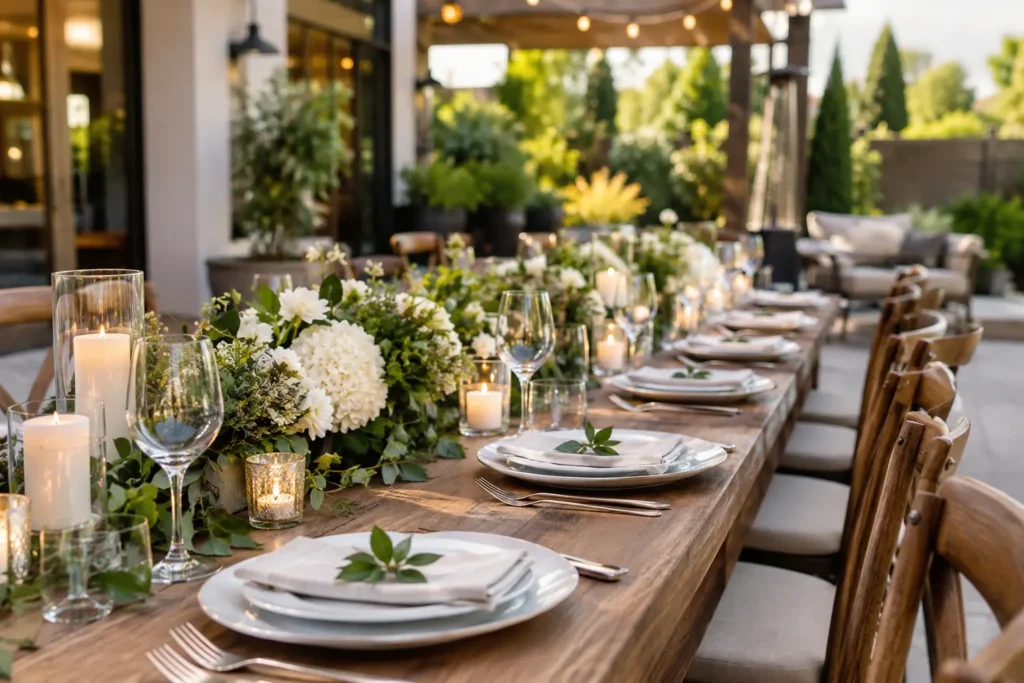
A private dinner should feel like more than a restaurant reservation with a longer table. It is a setting designed around your guests, your occasion, and the way you want the evening to unfold. If you are asking what is included private dining, the answer begins with a dedicated experience: a defined event space, a planned menu, attentive service, and the details that let a host spend time with guests instead of managing the meal.
For a client dinner in the Financial District, an engagement celebration, a milestone birthday, or a polished team gathering, the exact inclusions can vary. Guest count, day of week, menu style, beverage preferences, and whether you need the room exclusively all affect the final arrangement. Knowing what to ask makes it easier to choose an experience worthy of the occasion.
What Is Included in Private Dining?
At its best, private dining brings together culinary planning, a distinct atmosphere, and service tailored to a group rather than a standard dining room reservation. Most private dining events include a reserved room or section, food and beverage service, tablescape basics, staffing, and an agreed-upon event timeline. The goal is a composed evening with a clear sense of arrival, celebration, and care.
The package is rarely one-size-fits-all. A lunch for twelve colleagues may call for a quick three-course menu and coffee service. A cocktail-forward birthday dinner may begin with passed tapas and chilled Champagne before guests settle into a multi-course meal. A full restaurant buyout can involve far more planning, from reception flow to custom wine pairings.
A dedicated space or reserved section
Privacy is the foundation of the experience. Depending on the venue, this may mean a fully enclosed dining room, a semi-private area separated from the main room, a lounge setting, or a seasonal outdoor space. The distinction matters. An exclusive room gives your group more freedom for speeches, presentations, decorations, and a later finish, while a semi-private space can deliver energy and atmosphere at a more approachable minimum spend.
Ask how the space is defined, whether other guests will be nearby, and what the seating capacity is for your preferred format. A room that seats 30 for dinner may accommodate 45 for a standing cocktail reception. The right choice depends on whether conversation around one table or movement around the room is the priority.
A menu designed for the group
Food is usually organized through a prix fixe menu, family-style service, shared tapas, stations, or a customized selection of dishes. A preselected menu helps the kitchen deliver every course at the right pace, especially for larger groups. It also gives hosts clarity on pricing before invitations go out.
Many venues offer a choice of entrées, often collected in advance, or a menu that is served to the whole table. Shared plates create a more social rhythm and suit groups that want the evening to feel lively rather than formal. Individually plated courses are often ideal for client dinners and seated celebrations where timing and presentation matter.
Dietary accommodations are a vital part of the conversation, not an afterthought. Let the event team know about vegetarian, vegan, gluten-sensitive, allergy-related, or religious dietary needs as early as possible. A polished private dining program should make every guest feel considered without interrupting the flow of the evening.
Beverage service that matches the occasion
Private dining commonly includes beverage options, but the structure varies. You may select wine by the bottle, establish a hosted bar with a spending cap, offer a limited beer-and-wine package, or arrange a full premium bar for a defined period. Some groups prefer guests to purchase their own drinks, though that arrangement can feel less cohesive for a hosted business or celebration event.
Wine pairings can elevate a chef-driven dinner, particularly when the menu is built around several courses. For a more social occasion, a signature martini, sparkling welcome pour, or curated cocktail list sets the tone from the first arrival. At Vintage Restaurant & Lounge Boston, a serious wine program and designer martinis make beverage planning part of the experience, rather than a detail handled at the end.
Clarify what is included in the beverage price. Ask whether sparkling water, coffee, tea, nonalcoholic cocktails, and post-dinner drinks are included or billed separately. Also confirm the bar’s opening and closing times if your gathering includes a reception before dinner.
Professional event service
Private dining service is designed to be more deliberate than ordinary table service. The team coordinates courses, pours wine, clears discreetly, responds to special requests, and maintains the rhythm of the room. For a business dinner, that may mean holding service during a welcome or presentation. For a celebration, it may mean timing dessert to coincide with a toast or surprise cake.
The staffing level depends on group size, service style, and the complexity of the menu. A seated dinner with wine pairings needs a different level of attention than a casual cocktail reception. Gratuity and service charges are often added to the final bill, so review the proposal carefully to understand what the quoted price covers.
The essentials that make the room feel finished
Tables, chairs, place settings, glassware, linen, and standard candles or decor are frequently part of a private dining booking. These elements give the room a polished foundation without requiring the host to source basic event rentals. Some venues can also provide printed menus, place cards, a cake table, or simple floral arrangements for an additional fee.
Do not assume every visual detail is included. Specialty linens, custom florals, branded materials, elaborate balloon installations, or audiovisual equipment may require outside vendors or separate charges. If you are planning a presentation, ask about a screen, projector, microphone, speakers, Wi-Fi, and power access before confirming the room.
What Private Dining Often Does Not Include
A private dining proposal should clearly identify exclusions. Tax, administrative fees, gratuity, rental fees, coat check, valet, entertainment, and outside-vendor costs may sit outside the food-and-beverage minimum. The same is true for custom cakes, specialty bottles, upgraded furniture, and extra event hours.
There is also an important difference between a room fee and a food-and-beverage minimum. A room fee is a separate charge for using the space. A minimum is the amount your group agrees to spend on food and drinks, sometimes before tax and gratuity. If your event does not meet that threshold, you may be responsible for the difference. Neither approach is inherently better. A minimum can offer more value when guests plan to enjoy dinner and drinks, while a room fee may be easier to budget for a lighter daytime gathering.
Questions to Set Expectations Before You Book
Before signing an agreement, ask what is included in private dining at that specific venue and have the answer confirmed in writing. The most useful details are the room’s guest capacity, the food-and-beverage minimum, menu pricing, beverage options, service charge, tax, deposit schedule, cancellation terms, and final guest-count deadline.
It is equally helpful to discuss the shape of the evening. Ask when guests may arrive, how long the space is available, whether you can bring decor or a cake, and whether there are restrictions on music, signage, or speeches. A clear timeline protects the experience. It ensures cocktails do not run into dinner, dinner does not rush dessert, and your group has time to enjoy the room it reserved.
Choosing the Right Level of Privacy
Not every gathering needs a closed door. A semi-private table in a stylish dining room can be perfect for an after-work celebration where guests want to feel connected to the room’s energy. A private room is often better for confidential conversations, formal remarks, family milestones, or groups who want to create their own atmosphere.
Consider the guest list as carefully as the menu. Executives may appreciate a quieter environment and prompt pacing. A birthday group may want a lounge-forward evening with cocktails and shared plates. Out-of-town guests may value a distinctly Boston setting and a menu that feels memorable from the first course through the final pour.
The most successful private dinners leave guests talking about the mood as much as the meal. Begin with the occasion, be candid about your budget and priorities, and let the details serve the feeling you want everyone to take home.