
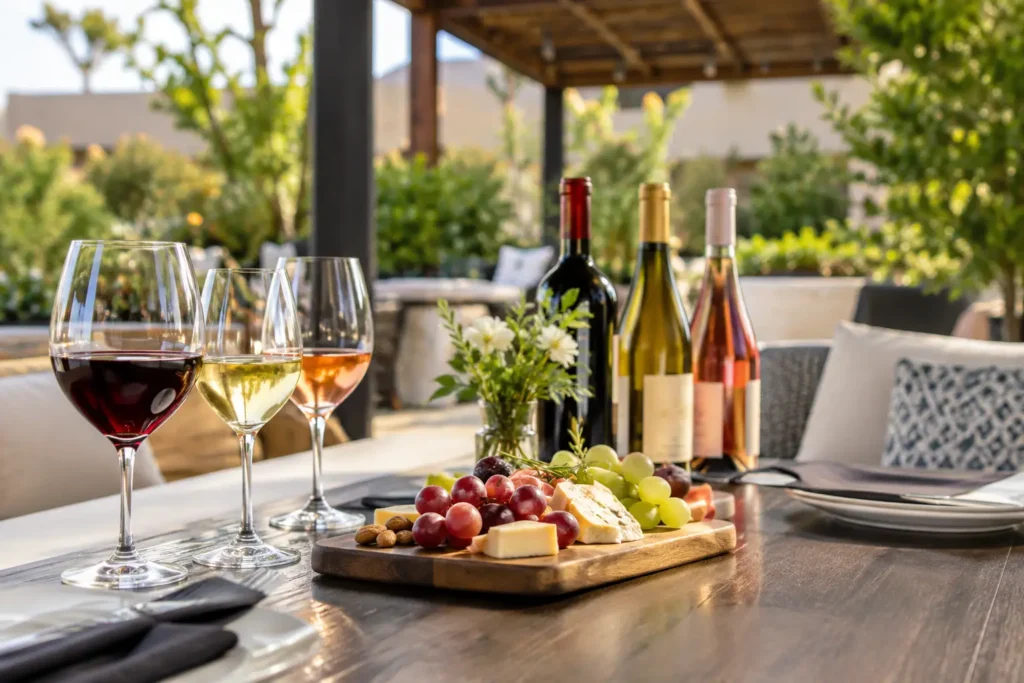
A client dinner can turn on details that seem small until they are not: the pace of the room, the confidence of the welcome, the first bottle placed on the table. A thoughtful wine list for client entertainment does more than provide options. It gives hosts an easy way to set a polished tone, make guests comfortable, and let the conversation take center stage.
The best business wine program is not built around rare labels alone. It is built around choice, clarity, and the quiet assurance that there is a beautiful bottle for every table, palate, and occasion. Whether the evening is a two-person meeting over dinner or a larger group moving from tapas to cocktails, the wine selection should feel considered without becoming a negotiation.
Building a Wine List for Client Entertainment
Client entertaining calls for wines that are easy to share and interesting enough to remember. A list should offer familiar regions and grapes alongside a few compelling discoveries, with selections at several price points. The goal is to make a host look prepared, not to test a guest’s wine knowledge.
Start with a strong core of recognizable, food-friendly wines. Champagne and quality sparkling wine immediately signal occasion and work beautifully as guests arrive. Sauvignon Blanc, Pinot Grigio, Chardonnay, and dry Riesling cover a wide range of white-wine preferences. On the red side, Pinot Noir, Cabernet Sauvignon, Merlot, Malbec, and a balanced Rhône-style blend give a table plenty of range without overwhelming the list.
That foundation should be supported by bottles with a point of view. An elegant Sancerre, a mineral-driven Chablis, a polished Napa Cabernet, a refined Barolo, or a silky Oregon Pinot Noir can make a dinner feel more distinctive. These wines are not simply status markers. Chosen well, they create a moment: the bottle guests ask about, the pour that complements the chef’s signature dish, the detail that makes a business meal feel like a genuine evening out.
Price architecture matters just as much as selection. A wine list that jumps too quickly from entry-level pours to trophy bottles can make ordering awkward. Offer credible, appealing choices at approachable levels, then provide a clear progression toward reserve selections for hosts marking a major deal, welcoming senior leadership, or thanking an important client. The best list makes every price point feel intentional.
Make Ordering Feel Effortless
Business diners often arrive with limited time, different levels of wine familiarity, and a desire to avoid overthinking a decision in front of colleagues. A well-organized wine list solves for this before anyone asks. Group wines by style or region in a way that feels intuitive, and use concise descriptions that explain flavor, structure, and pairing potential in plain language.
A useful description tells guests what they will enjoy in the glass. Instead of relying on technical language alone, describe a white as crisp and citrus-driven, a Chardonnay as layered with orchard fruit and subtle oak, or a Cabernet as full-bodied with dark berries and a smooth finish. Those details help a host make a swift, confident choice while still leaving room for discovery.
By-the-glass options deserve particular attention. Not every business dinner begins with a firm plan to open a bottle, and not every guest will want the same style. A strong glass pour program should include an elegant sparkling wine, a fresh white, a richer white, a light red, and a fuller red. It should also feel premium enough for a client-facing table. One excellent glass can be the right opening move before the group settles into a bottle with dinner.
Service is the other half of effortless ordering. A knowledgeable server or sommelier should read the table quickly: Is this a celebratory evening? Are guests here for a fast, polished meal before an event? Does the host want guidance without a lengthy presentation? The best recommendations are confident and discreet, offering two or three relevant options rather than reciting the entire cellar.
Pair Wine With the Pace of the Meeting
A wine list for client entertainment needs to work across more than one kind of business occasion. The wine for a focused lunch meeting may be different from the bottle chosen for a relaxed dinner after a successful presentation.
For lunch, restraint is often the smart choice. A vibrant Sauvignon Blanc, dry Riesling, Pinot Noir, or lighter Italian red offers freshness and versatility without dominating the meal. These wines pair well with seafood, salads, poultry, and lighter entrées while keeping the table alert and the conversation clear. If the meeting includes several courses or richer fare, a graceful Chardonnay can add depth without feeling overly formal.
Dinner allows more room for ceremony. Sparkling wine can welcome guests with energy, while a textured white pairs beautifully with shellfish, roasted fish, creamy pastas, and vegetable-forward dishes. For steak, lamb, short ribs, or aged cheeses, structured reds such as Cabernet Sauvignon, Bordeaux blends, Brunello, or Syrah create a more expansive experience.
Tapas-style entertaining benefits from flexibility. When plates arrive in waves, consider a sparkling wine, rosé, or medium-bodied red that can travel across the table. Rosé is especially useful when preferences are mixed, offering enough freshness for seafood and charcuterie while remaining stylish for an evening setting. A lively Spanish red can also be a natural partner for shared plates, grilled meats, and a more social rhythm.
The trade-off is simple: highly tannic, intensely oaked, or unusually aromatic wines can be thrilling with the right dish, but they can divide a group. For client dinners, save the most challenging bottle for a table where you know the guests’ tastes. When in doubt, choose balance. A wine with bright acidity, measured oak, and a clean finish will usually keep everyone happy.
Know When to Choose a Bottle, a Magnum, or Champagne
The format of the wine says something, too. A standard bottle is ideal for two or three guests sharing the same preference. For a group of four to six, opening two complementary bottles – perhaps a crisp white and a polished red – is often smarter than trying to settle on one. It gives guests choice and keeps the meal moving.
A magnum can create an understated sense of occasion for a larger party, especially when the dinner is celebratory or the host wants a visual centerpiece without making the evening feel showy. It is not necessary for every event, but it can be a memorable gesture for a closing dinner, annual team gathering, or client milestone.
Champagne has its own role. It is an excellent welcome pour, a natural opening for a toast, and a remarkably flexible partner for food. It also carries an unmistakable message: this gathering matters. The key is timing. A glass on arrival can lift the room; multiple rounds before a detailed business discussion may not serve the same purpose.
Create a Setting Worth Remembering
Wine performs best when the room supports it. The right atmosphere gives a client dinner its ease: attentive service, comfortable seating, enough privacy for conversation, and a menu with genuine range. In Boston’s Financial District, Vintage Restaurant & Lounge brings those elements together with chef-driven dining, a Wine Spectator-recognized program, and a setting that can move naturally from a polished meal into a more social evening.
For hosts, that versatility matters. A client may prefer a quiet table and a focused dinner, while another group may want to linger over a second bottle, share dessert, and move toward martinis in the lounge. The wine list should complement both experiences, offering restraint when the occasion requires it and a little indulgence when the evening earns it.
The most successful client dinner does not feel staged. It feels generous, well paced, and personal. Choose wines that suit the food, the guests, and the purpose of the meeting, then let the bottle do what it does best: give everyone at the table a reason to stay for one more thoughtful conversation.