
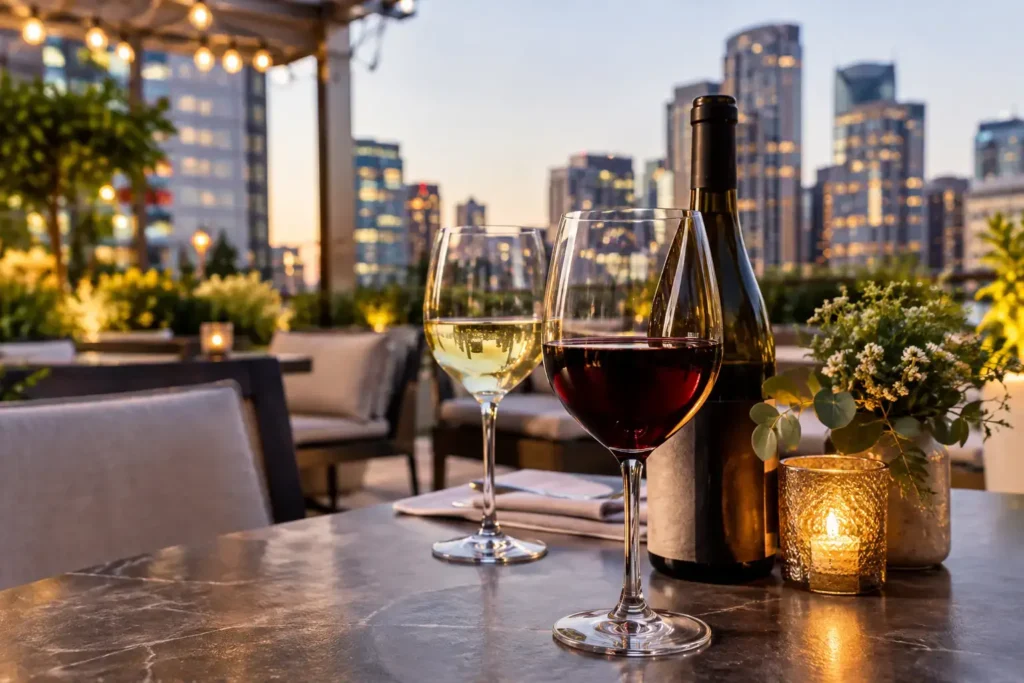
A client dinner can begin with a familiar Cabernet and end with a conversation about a volcanic white from Sicily. A date night may call for Champagne before dinner, then a lighter red that keeps pace with small plates and a second round of cocktails. That range of possibility is at the heart of today’s wine program trends: guests still want a bottle that feels special, but they also want the confidence to try something memorable.
For restaurants, the modern wine list is no longer a static catalog of prestigious labels. It is a living part of the evening – one that supports the kitchen, the room, the occasion, and the person seated across the table. In a city where a business lunch can become a late-night celebration, the strongest programs make wine feel elevated without making it feel inaccessible.
Wine Program Trends That Put Guests First
The most compelling wine programs are becoming more guest-centered, not less curated. That distinction matters. A serious list should show depth and point of view, but it should also make a guest feel welcome whether they are ordering one glass before a meeting or selecting a landmark bottle for a milestone celebration.
The trend is toward thoughtful flexibility. Guests are looking for classic regions and trusted producers, alongside wines with a clear sense of place, a story worth hearing, and enough balance to pair beautifully with food. A polished program makes room for all three.
Discovery is replacing intimidation
For years, many guests approached an extensive wine list with a familiar anxiety: What should we order? That pressure is fading as more restaurants organize their selections around discovery rather than display.
This does not mean abandoning Bordeaux, Burgundy, Napa Valley, or Champagne. Those regions remain essential for diners who know exactly what they want and for occasions that deserve an established classic. But they now sit alongside expressive bottles from Etna, the Canary Islands, Greece, South Africa, Austria, Chile, and lesser-known corners of France and Italy.
The appeal is not novelty for novelty’s sake. These wines often offer freshness, texture, and value that work especially well at the table. A mineral-driven Assyrtiko can bring lift to briny seafood. A chilled, savory red can make a tapas-style spread feel more relaxed and more layered. A skilled service team turns unfamiliarity into anticipation by asking the right questions: Are you starting with oysters? Do you prefer something richer or brighter? Is this bottle for the meal, or for the whole evening?
By-the-glass lists are becoming more ambitious
The glass pour has become one of the most important decisions in a wine program. It is no longer merely an entry point for guests who do not want a bottle. It is an invitation to explore, compare, and pair with more precision.
An ambitious by-the-glass selection gives a table options. One guest can enjoy a crisp Albariño with a first course while another chooses an elegant Pinot Noir. It also suits the rhythm of urban dining, where plans are not always fixed. A quick after-work drink may become dinner. A dinner may become another round in the lounge.
The trade-off is operational. More wines by the glass demand disciplined inventory management, proper preservation, and staff who can describe each selection with clarity. When that work happens behind the scenes, guests experience something effortless: a pour that tastes fresh, feels considered, and suits the moment.
Sparkling wine is moving beyond the toast
Champagne and sparkling wine are no longer reserved for the opening clink or the final dessert course. They have become versatile choices throughout dinner, especially for guests who want energy and elegance without heaviness.
A dry sparkling wine can handle salty snacks, fried dishes, shellfish, creamy sauces, and the easy conversation that begins before everyone has settled on an entrée. It also has social appeal. Ordering bubbles signals celebration, but it does not require an announcement. It can make an ordinary Wednesday evening feel like an occasion.
The best lists offer a range of sparkling styles. Champagne remains a benchmark, while high-quality Crémant, Cava, Franciacorta, and American sparkling wines provide different textures and price points. The goal is not to replace the iconic bottle. It is to give guests more ways to enjoy a celebratory pour.
Pairing Has Become More Personal
Formal pairing menus still have their place, particularly for chef-driven tasting experiences and private dinners. Yet the broader shift is toward pairing advice that feels personal rather than prescriptive.
A guest may love full-bodied reds but be ordering fish. Another may want white wine with a steak because that is what sounds right. Great hospitality begins with understanding preferences, then making a recommendation that respects them. The best pairing is often not the theoretical answer. It is the bottle the guest will genuinely enjoy from the first course through the last.
This is especially relevant in restaurants with menus designed for sharing. Tapas, raw bar selections, rich pastas, grilled proteins, and small plates create a table with competing flavors. Instead of forcing one wine to do everything, a server may suggest a fresh white to begin and a medium-bodied red once the heartier dishes arrive. Two well-chosen glasses can make the meal feel more composed than one oversized bottle.
Lower-alcohol styles have a growing role
Many diners want to linger over wine without feeling weighed down. This has increased demand for wines with natural freshness, moderate alcohol, and a lighter frame. Think dry Riesling, Loire Valley Cabernet Franc, Beaujolais, Austrian Grüner Veltliner, cool-climate Pinot Noir, and vibrant Mediterranean whites.
This is not a rejection of richer wines. A beautifully structured Napa Cabernet or plush Amarone still belongs on a premium list, particularly beside a serious steak or a celebratory dinner. The difference is that guests increasingly expect options that can carry them from an early reservation to a nightcap without overwhelming the evening.
Restaurants should be careful not to reduce this trend to a health claim. The more compelling story is pleasure and pacing. A bright, lower-alcohol wine can keep a meal lively, food-friendly, and social.
Sustainability Must Taste Good
Organic, biodynamic, regenerative, and low-intervention wines are gaining attention, but the language around them needs restraint. Guests may care deeply about farming practices, responsible packaging, and producers who protect their land. Others simply want a delicious glass of wine. Both perspectives are valid.
The strongest programs avoid treating sustainability as a separate category for the initiated. Instead, they integrate compelling wines from conscientious producers throughout the list, with concise descriptions that focus first on style and flavor. A bottle should earn its place because it is expressive, well-made, and appropriate for the food. Its farming story adds meaning, but it cannot rescue an unbalanced wine.
There is also a practical side. Regional and seasonal menu thinking can help restaurants buy and pour wines with greater intention. Reducing waste through smart by-the-glass systems, training, and inventory discipline is less glamorous than a vineyard story, but it is equally consequential.
The Wine List Is Part of the Room
A wine program lives beyond the page. Its success is shaped by glassware, serving temperature, the confidence of the team, and the pace of service. A great bottle served too warm, poured into the wrong glass, or presented with uncertainty loses some of its magic.
For a sophisticated dining room, wine service should feel attentive rather than ceremonial. Guests appreciate a recommendation that is direct, a bottle that arrives at the right moment, and a server who can speak about it naturally. They do not need a lecture. They need someone who understands the table.
That is why the most exciting wine program trends are ultimately hospitality trends. They place a carefully chosen bottle at the center of the experience without making it the center of attention. At Vintage Restaurant & Lounge Boston, the ideal choice may be a classic red for a client dinner, a compelling glass of white with dinner, or Champagne that carries a celebration from the first toast into the night.
When choosing wine, start with the occasion, the food, and the people at the table. Then leave room for one pleasant surprise. That is often where a memorable evening begins.