
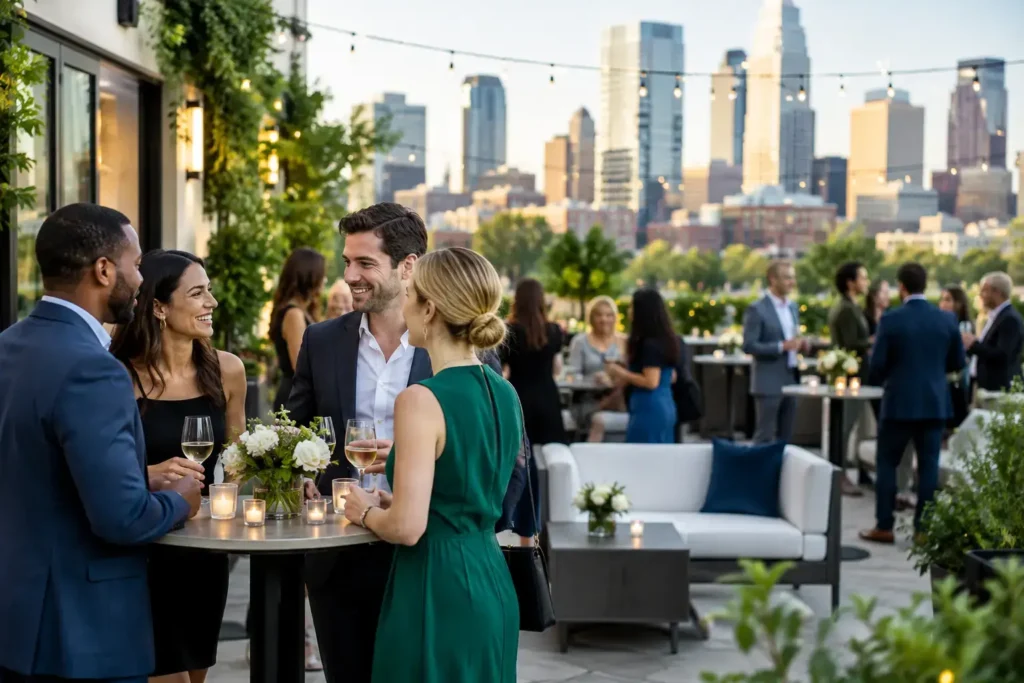
A private event is no longer defined by a preset banquet package and a reserved room. The private event trends shaping Boston gatherings favor occasions with a point of view: a candlelit client dinner that lingers over exceptional wine, an engagement celebration that begins with passed bites and ends with dazzling martinis, or a team gathering that feels more like a night out than an obligation.
For hosts in the Financial District, the standard is higher. Guests want to feel considered from the first welcome to the final toast, while planners need a venue that can handle the details with polish. The strongest events balance atmosphere, food, drinks, and flow without making the occasion feel overproduced.
Private Event Trends Are Becoming More Personal
The most appealing private events feel designed for the people in the room, not copied from a generic playbook. That does not mean every gathering needs a custom logo, themed décor, or a packed itinerary. Often, personalization is quieter and more effective: a menu that reflects the host’s favorite dishes, wines selected for the season, a cocktail that gives the evening its own signature, or seating that encourages the right conversations.
For business hosts, this can mean choosing a more intimate format for a key client dinner rather than booking a large, formal reception. For social celebrations, it might mean building the night around shareable tapas and a sophisticated drinks program instead of a traditional three-course meal. The occasion should still feel elevated, but it should also sound like the host.
This preference for personality is changing how guests judge an event. They remember whether the room felt warm, whether the menu suited the moment, and whether there was enough time to connect. They rarely remember a standard package name.
Chef-Led Menus Set the Tone
Food remains one of the clearest ways to signal care. Private event menus are moving away from overly predictable plated dinners in favor of chef-led selections that give guests variety while preserving a sense of occasion. Thoughtful seasonal ingredients, refined presentations, and dishes designed to share all make a gathering feel more generous.
The best format depends on the group. A seated dinner offers focus and natural structure for an executive gathering, a milestone birthday, or an evening where conversation is the main event. Passed appetizers and stations create movement for cocktail receptions, networking events, and celebrations with a livelier pace. Small plates can sit beautifully between the two, giving guests a more social way to dine without sacrificing culinary quality.
There is a practical consideration here: variety should not become excess. Too many choices can slow service, complicate timing, and dilute the host’s vision. A concise menu with a few memorable moments usually lands better than a sprawling selection. Dietary needs also deserve attention early in the planning process, not as a last-minute adjustment. When every guest has something genuinely appealing to enjoy, hospitality feels effortless.
The case for a late-night finish
More events are extending beyond the formal meal. Rather than ending when dessert is cleared, hosts are keeping guests together for another round, a nightcap, or a transition into the lounge. This approach works especially well in Boston, where an after-work gathering can evolve naturally into dinner and drinks.
A late-night finish does not require turning every event into a party. For some groups, a polished espresso, a dessert wine, or a final round of martinis is exactly enough. For others, music, cocktails, and a more energetic atmosphere give the occasion a second act. The key is offering the option without forcing the pace.
Cocktails and Wine Are Part of the Experience
Private event beverage programs are receiving the same attention once reserved for food. Hosts are increasingly looking for a drinks offering that feels curated rather than obligatory. A serious wine list gives a dinner credibility, while expertly made cocktails set a more celebratory tone from the moment guests arrive.
A welcome cocktail can establish the mood quickly, particularly for receptions where guests are arriving at different times. Wine pairings can give a seated dinner a sense of progression. A focused selection of premium spirits, martinis, and zero-proof options ensures that every guest can participate in the ritual of the evening.
The trade-off is budget and speed. A fully open bar may suit a milestone celebration, but it is not always necessary for a business dinner or a shorter reception. A host can create an equally generous feeling with a limited menu of excellent wines, beer, and two signature cocktails. What matters is that the choices feel intentional, not restricted.
Flexible Spaces Matter More Than Square Footage
A large room is useful, but flexibility is often more valuable. Private event trends increasingly favor spaces that can shift with the gathering: an elegant seated dinner, a cocktail-forward reception, a semi-private business meal, or an indoor-outdoor celebration when the season allows.
For planners, the question is not simply how many guests a room can hold. It is how the room will feel at the expected attendance. A space that is too large can make a 25-person dinner feel flat. A space that is too tight can make a 60-person reception feel crowded before the first drink is poured. Sightlines, access to the bar, lighting, acoustics, and the ease of moving between moments all influence whether guests feel comfortable.
Atmosphere also carries real value. Leather seating, warm lighting, beautiful glassware, and a room with its own character save hosts from having to manufacture a sense of occasion through décor alone. At Vintage Restaurant & Lounge Boston, the appeal is in that built-in contrast: refined dining, a stylish lounge mood, and a setting that can move comfortably from business to celebration.
Plan for conversation, not just capacity
The most successful layouts make connection easy. For a reception, guests need clear paths to drinks and food without forming one congested line. For a dinner, tables should allow guests to speak without straining over the room’s noise. For presentations or toasts, everyone should be able to see and hear the moment without interrupting service.
This is where an experienced event team earns its place. A beautiful menu and an impressive guest count cannot compensate for a room that feels awkward once it fills. Ask how the space will be arranged, where guests will enter, when food will be served, and what happens if the event runs longer than planned.
Business Events Are Trading Stiffness for Hospitality
Corporate entertaining has become more social, but it has not become less strategic. Teams still need settings that communicate confidence to clients, reward employees, and make networking easier. The difference is that hosts are favoring warmth over formality.
That can look like a reception with exceptional small plates before a brief toast, a leadership dinner with a curated wine selection, or a holiday gathering that gives colleagues room to relax after a demanding year. The room should feel polished enough for important conversations, while still inviting guests to stay for another drink.
Timing matters for Boston professionals. A lunch event may need to respect a tight workday. An after-work reception should feel welcoming immediately, not as though guests are waiting for the event to begin. A dinner should have enough rhythm to feel special without consuming an entire evening. Good planning accounts for how people actually use their time.
Thoughtful Details Beat Excess Décor
Grand visual statements still have their place, especially for weddings, launches, and major milestones. Yet many hosts are moving toward a more edited look. Rather than filling every surface with decoration, they are investing in a few details that change the experience: elegant florals at the bar, personalized menus at the table, candlelight, a beautiful cake display, or place cards that make a dinner feel genuinely hosted.
This approach is also more adaptable. A sophisticated room can carry a company celebration one night and an anniversary dinner the next, with the event’s character coming from the details rather than a complete transformation. It is a better use of budget when the venue already offers style, culinary quality, and a strong beverage program.
When planning your next occasion, begin with the feeling you want guests to take home. A well-chosen room, a memorable first sip, and a dinner worth talking about will do more than fill an agenda. They will give people a reason to stay a little longer.