
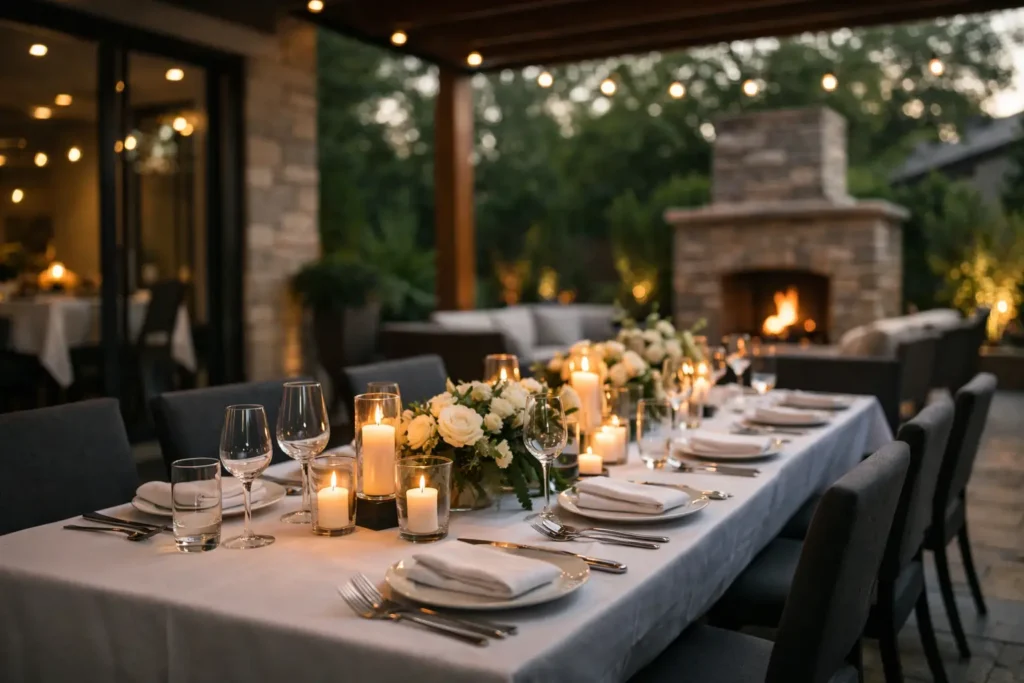
A private dinner can do more than bring people to the same table. It can set the tone for a client relationship, turn a milestone into a true occasion, or give a team a reason to linger over another glass of wine. Knowing how to book private dining means looking beyond availability and choosing an experience that feels considered from the first welcome through the final toast.
For Boston hosts, the best choice depends on the energy of the gathering. A boardroom-style dinner calls for discretion and effortless pacing. A birthday may need dazzling martinis, a livelier room, and space to move from dinner into drinks. Start with the feeling you want guests to carry home, then let that guide every practical decision.
Start With the Occasion, Not the Head Count
Guest count matters, but it should not be the first or only question. Before contacting a venue, decide what the event needs to accomplish. Is it a client dinner where conversation must stay private? A holiday party where guests will circulate? An engagement celebration that calls for a dramatic table and a memorable wine pairing?
This clarity helps a private-events team recommend the right format. A fully private room offers focus and exclusivity, while a semi-private space can feel more connected to the restaurant’s atmosphere. A lounge reception may suit a social crowd better than a seated, multi-course dinner. Neither is automatically better. The right choice is the one that matches your guests and the rhythm of the evening.
Consider the guest experience in practical terms as well. Will attendees arrive directly from Financial District offices? Are some traveling in from outside Boston? Is the event meant to end after dessert, or continue with late-night cocktails? A venue that transitions naturally from polished dining to an energized lounge can make the schedule feel easy rather than overplanned.
How to Book Private Dining With the Right Details
Once you have a date range and a sense of the occasion, reach out early. Prime evenings, holiday weeks, and major Boston event dates often book well in advance. For a smaller dinner, a few weeks may be enough. For a large celebration, company function, or date with little flexibility, begin the conversation several months ahead.
Your initial inquiry should give the venue enough information to respond with useful options. Share the preferred date and time, estimated guest count, occasion, desired format, and any budget expectations. Mention whether you envision a seated dinner, passed tapas, cocktails, wine service, or a combination. If your group includes guests with dietary needs, say so from the start.
You do not need every answer before making contact. In fact, a seasoned events team can help shape the details. But vague requests such as “a nice dinner for around 30” can slow the process. A better approach is to describe the desired experience: “A refined 30-person client dinner with a private setting, wine service, and a 7 p.m. start.” That gives the team a clear brief without boxing you into one solution.
Ask What Is Included in the Event Minimum
Private dining is commonly priced around a food-and-beverage minimum. This is the amount your group is expected to spend on dining and drinks, sometimes before tax, service charge, room fee, or other additions. It is not always the same as the final bill, so ask for a clear explanation of what counts toward the minimum.
A higher minimum can make perfect sense for a Saturday night private room or a peak December date. On a weekday or during an earlier time slot, the same venue may offer more flexibility. If the room you love is just beyond budget, ask whether another date, time, or event format would work. A cocktail reception with chef-driven small plates may create the same chic, celebratory feeling at a different spend than a plated dinner.
Also ask whether there is a room rental fee, deposit, service charge, administrative fee, or minimum guest guarantee. There is no reason for these details to feel awkward. A polished event is built on a shared understanding of the investment, timeline, and expectations.
Choose a Menu That Feels Generous and Easy
Food is the center of a private dining experience, but choice can become overwhelming when every guest orders independently. For many groups, a curated menu is the most elegant answer. It gives the kitchen a clear plan, keeps service moving, and lets hosts offer a meal with real intention.
A plated menu works especially well for formal business dinners and celebrations where everyone is seated at once. Family-style or shared plates create a more relaxed, social table. Passed bites and stations are ideal when mingling is the point. The format should reflect how you want guests to spend their time, not simply what appears most elaborate on paper.
Ask about vegetarian, vegan, gluten-sensitive, and allergy accommodations before finalizing selections. A strong venue will handle those needs with care, but advance notice protects both the guest and the flow of service. It is also wise to ask about menu deadlines and whether final choices must be submitted in advance.
Beverages deserve the same attention. A thoughtful wine selection elevates a dinner without requiring a lengthy presentation. For a celebratory crowd, a signature cocktail or a round of sparkling wine can establish the mood on arrival. For a business-focused event, a concise wine offering and attentive service may be more appropriate. The goal is not excess. It is a drinks program that feels as intentional as the meal.
See the Space Before You Commit
Photos can suggest a mood, but they cannot tell you how a room sounds when it is full, how guests move through it, or whether a seated table feels comfortably spacious. If the event is significant, schedule a visit. Look at the room during a comparable service period when possible, especially if the atmosphere is part of the appeal.
Pay attention to lighting, acoustics, access to restrooms, coat storage, and the path from arrival to the event space. If presentations, speeches, or a slideshow are planned, ask about screens, microphones, power access, and music. For a dinner where conversation matters, ask directly whether the room is insulated from bar noise or other dining activity.
The visual details matter too. Leather seating, candlelight, architectural character, and a beautifully set table can make guests feel they have arrived somewhere special before the first course is served. At Vintage Restaurant & Lounge Boston, that blend of refined dining and lounge energy is particularly suited to gatherings that want to feel polished without becoming stiff.
Confirm the Details That Protect the Evening
After selecting the room and menu, get the agreement in writing. Review the date, start and end times, guest minimum, food-and-beverage minimum, deposit schedule, cancellation terms, menu, beverage plan, and final guest-count deadline. If there are special requests – custom place cards, a cake, floral arrangements, a welcome sign, or a particular seating plan – confirm who is responsible for each one.
Do not overlook timing. Ask when guests may arrive, when the room will be ready, and whether you can access it early for setup. Clarify when appetizers, dinner, and dessert will be served, particularly if guests have theater tickets, flights, or another commitment afterward. A well-paced event leaves room for conversation but never makes guests wonder what is happening next.
For groups with a host paying the bill, decide in advance whether guests may order outside the agreed package. If so, identify what will be hosted and what will be charged individually. This small conversation prevents a surprising check from becoming the evening’s final note.
Give Guests a Clear, Stylish Invitation
Once the booking is confirmed, make the invitation do some of the hosting for you. Include the venue name, address, arrival time, dress expectation if relevant, and whether dinner or drinks will follow. For business gatherings, a concise agenda can be useful. For celebrations, let the language build anticipation without turning the invitation into a production.
Request RSVPs early enough to meet the venue’s final guarantee. A few days before the event, send guests a gracious reminder and note any dietary deadline. Then share the final count and special requirements with the events team. This is the moment to reconfirm the host’s contact information, payment arrangement, and the timing of any toast or presentation.
The most memorable private dinners feel effortless because the planning happened quietly beforehand. Choose a room with the right energy, give the venue a clear picture of your guests, and leave space for great food, outstanding wine, and the conversations that brought everyone together in the first place.