
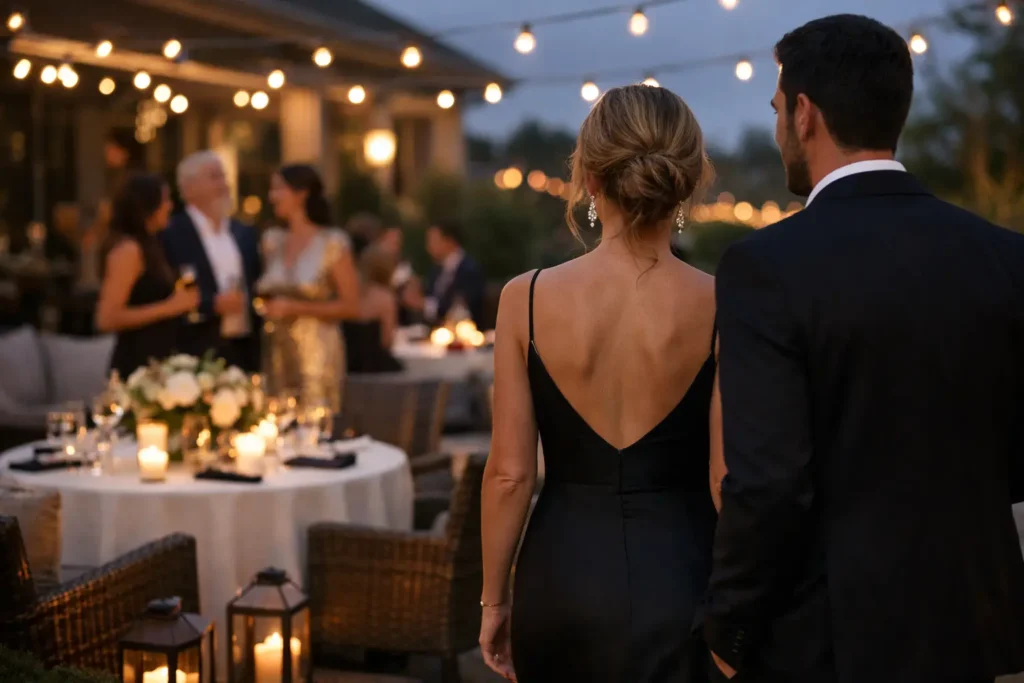
A client dinner should not feel like an obligation with appetizers. A birthday should not end with everyone splitting a check under fluorescent lights. The best private events give guests a reason to arrive early, linger over another round, and remember the room as much as the occasion.
For Boston hosts, that standard matters. A gathering in the Financial District may need to impress visiting colleagues, reward a hard-working team, celebrate a milestone, or turn an ordinary Thursday into a proper night out. The right setting brings together polished service, a menu with presence, and a drinks program that carries the conversation long after the first toast.
What Makes Private Events Feel Exceptional
The distinction is rarely one dramatic detail. It is the feeling that every part of the evening has been considered: where guests enter, how they are welcomed, when food arrives, what is poured, and whether the room feels alive at every stage of the night.
A private event works best when the venue understands its rhythm. A business dinner calls for enough energy to feel current without competing with conversation. A cocktail reception needs easy movement, distinctive passed bites, and a bar team that can keep the pace without turning hospitality into a production line. A celebration deserves a little theater, whether that means a beautifully set table, dazzling martinis, or a dessert presentation that earns a pause before the next toast.
Ambiance is not decoration alone. Leather seating, warm lighting, thoughtful music, and a room with visual character give guests an immediate sense that they have arrived somewhere intentional. That atmosphere does practical work, too. It creates a natural setting for introductions, makes photos feel more special, and keeps a group engaged between courses.
Start With the Occasion, Not the Guest Count
Guest count is essential, but it should not be the first or only question. Begin with the purpose of the event. Are you trying to close a relationship, thank a team, host a family celebration, or create a lively evening around food and drinks? The answer shapes nearly every choice that follows.
For a client-facing dinner, privacy and timing are usually the priority. Guests need to hear each other, the host needs to feel confident, and the meal should unfold with enough structure to support conversation. A curated seated dinner often suits this format, particularly when it features options that appeal across a range of tastes without asking guests to make too many decisions at the table.
For an after-work gathering, the energy can be more relaxed. Tapas-style plates, wine, and handcrafted cocktails invite people to circulate rather than settle into a formal schedule. This format is especially effective for teams and social groups because guests can arrive within a window, enjoy the room at their own pace, and still share a considered culinary experience.
Celebrations can sit somewhere between the two. An engagement dinner may call for an elegant long-table meal, while a birthday gathering might begin with cocktails and move into dinner once everyone has arrived. There is no single correct format. The strongest choice is the one that makes guests feel cared for without making the host manage the room all night.
Build a Menu Guests Will Talk About
Food should feel generous, not complicated. A menu for a group has to balance personality with ease: dishes should be memorable, accommodating, and timed for the way people will actually gather.
Seated dinners benefit from a focused selection of chef-driven courses. Offering a few well-chosen choices respects individual preferences while allowing the kitchen to maintain the quality and timing that make a dinner feel polished. A menu with a thoughtful progression – perhaps a bright opening course, a satisfying entrée, and an indulgent finish – gives the evening shape without slowing it down.
For receptions, small plates should be substantial enough to feel like dinner when dinner is expected. A tray of delicate bites may look elegant, but it will not carry a group through a three-hour event. Pair lighter passed selections with richer, more filling options, and consider stations or shared plates when the goal is conversation and movement.
Dietary needs deserve attention early. Asking guests in advance about allergies and preferences is more gracious than trying to solve them at the table. It also gives the culinary team the opportunity to create options that feel integrated into the menu rather than like an afterthought.
At Vintage Restaurant & Lounge Boston, an award-winning executive chef and an outstanding wine and drinks list create the kind of flexibility a host needs: a refined meal can remain elegant, while a more social gathering can still feel elevated from the first bite to the final pour.
Pair the Drinks With the Mood
A drinks program should do more than fill glasses. Wine can bring a dinner together, especially when a host wants a measured, sophisticated experience. A well-selected red or white gives the table an easy point of conversation and complements the meal without demanding attention.
Cocktails introduce a different kind of energy. They work beautifully for arrivals, celebrations, and late-night transitions, particularly when the menu includes signature martinis or a few distinctive choices that guests cannot easily order anywhere else. The trade-off is pace: cocktails make an event feel festive, but a reception with no food structure can become less focused than intended.
A smart approach often combines both. Welcome guests with a signature cocktail or sparkling option, move into wine with dinner, and leave room for an after-dinner drink for those who want to extend the evening. Nonalcoholic selections should receive the same consideration. A polished zero-proof drink tells every guest they belong at the table.
Give the Evening a Natural Flow
Hosts sometimes over-plan private events because they worry about dead space. In reality, guests need room to settle in. A good event does not pack every minute with announcements, activities, or courses. It moves with confidence.
For most cocktail-led gatherings, allow time for arrivals before introducing food in earnest. Guests who come directly from the office appreciate a moment to decompress, greet colleagues, and order a drink. If there is a toast or brief welcome, schedule it after most attendees have arrived but before the room becomes too animated to gather attention.
For seated occasions, the flow comes from service. Courses should arrive with enough time for conversation, not so much time that the room loses momentum. If speeches are planned, keep them brief and place them where they will not interrupt the most important part of the meal. The host should be able to enjoy the evening, not watch the clock.
Late-night potential is worth considering, particularly for groups that want dinner to become drinks. A venue that transitions naturally from dining to lounge energy gives guests an easy choice: leave when the occasion feels complete, or stay because the atmosphere is still calling.
Questions to Settle Before You Book
Before choosing a private-event space, get clarity on the details that affect guest experience. Ask whether the room is fully private or semi-private, what minimums apply, and how the venue handles timing for arrivals, courses, and departures. Confirm menu format, beverage options, dietary accommodations, and any requirements for décor, music, or presentations.
It also helps to be honest about the personality of your group. Some guests will appreciate a formal multi-course dinner; others will have more fun gathered around shareable plates and exceptional cocktails. An impressive event is not always the most formal one. It is the one that feels right for the people in the room.
The most memorable nights begin with a clear intention and leave enough space for the unexpected: a toast that becomes heartfelt, a table that orders one more bottle, a conversation that continues long after dinner was meant to end. Choose a setting built for that kind of evening, then let your guests make it their own.