
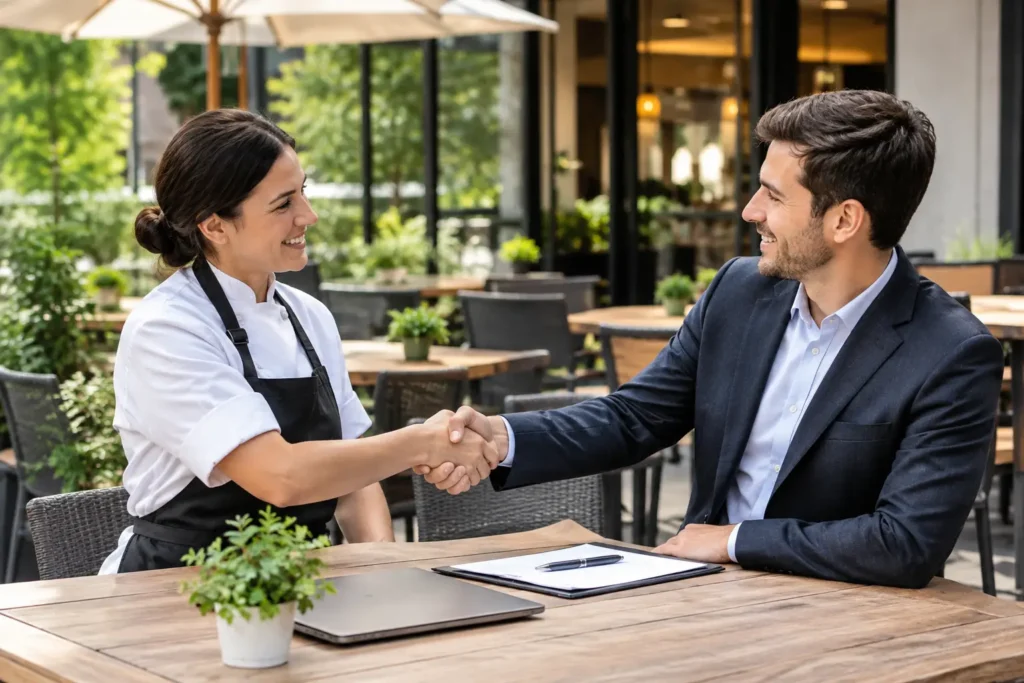
The best restaurant buyout success story rarely begins with a guest list. It begins with a feeling: the room is yours, the first martini arrives at exactly the right moment, and every detail supports the reason everyone gathered. Whether the occasion is a client dinner, milestone birthday, engagement celebration, or company holiday party, a private restaurant event should feel composed without ever feeling stiff.
A buyout offers something a typical group reservation cannot. It gives hosts the freedom to set the pace, shape the atmosphere, and make an entire evening feel personal. That freedom also comes with decisions, from menu format and seating style to speeches, music, wine, and the timing of a late-night toast. The most memorable events make those decisions look effortless.
What Makes a Restaurant Buyout Successful
A successful buyout is not simply a full dining room. It is a room with a clear purpose. Guests should understand the occasion the moment they enter, even if the only signals are candlelight, a welcome cocktail, a beautifully set table, and the warm energy of a host who is able to enjoy the evening rather than manage it.
For business hosts, that may mean creating an environment where conversation can move easily between colleagues, clients, and leadership. For social celebrations, it may mean giving friends enough room to mingle before dinner, then drawing everyone together for a shared course or toast. The most elegant events make space for both connection and momentum.
This is why the venue matters as much as the menu. A restaurant with refined dining, a confident bar program, and distinct spaces can carry an evening from arrival drinks to dinner and beyond without requiring guests to relocate. The experience feels intentional because it has a natural rhythm.
Start With the Occasion, Not the Headcount
Headcount matters for logistics, of course, but it should not lead the creative conversation. Begin with what guests are there to celebrate and how you want them to feel. Is this a polished thank-you for a team that has delivered? An intimate rehearsal dinner with a few beloved bottles on the table? A lively birthday that should shift from chef-driven plates to dazzling martinis as the night goes on?
Those answers shape the event more effectively than a seating chart alone. A formal client dinner may call for a plated menu, restrained florals, and a wine pairing that gives the host an easy point of conversation. A birthday may be better served by tapas-style sharing, a signature cocktail, and flexible lounge seating that encourages guests to circulate.
There is no single right format. A seated dinner creates focus and works beautifully when speeches, presentations, or a multi-course culinary experience are central to the night. A cocktail-forward reception offers movement and energy, but requires enough substantial food to ensure guests feel cared for. The right choice depends on the occasion, the guest mix, and the desired pace.
Design an Evening, Not Just a Menu
Food is the heart of hospitality, yet a buyout menu should do more than showcase individual dishes. It should support the way guests will spend the night. Courses should arrive at a pace that allows conversation to settle in, and selections should feel generous without leaving the room too heavy to enjoy a final drink.
A thoughtfully designed menu also respects different preferences without making the experience feel fragmented. When dietary needs are collected early and handled gracefully, every guest can participate in the meal with confidence. This is especially valuable for corporate entertaining, where a host wants to offer generosity without drawing attention to individual accommodations.
Beverages deserve the same consideration. A welcome cocktail can immediately establish a celebratory mood, while a curated wine selection brings depth to dinner. The goal is not to offer every possible option. It is to offer the right options: an outstanding sparkling pour for arrival, wines that complement the menu, and a few memorable cocktails for guests who prefer the bar experience.
Timing makes the difference between a pleasant meal and an evening people continue discussing on the ride home. Allow guests time to arrive and reconnect before the first course. Place remarks when glasses are filled and attention is naturally gathered. If dessert is followed by dancing, mingling, or another round at the bar, let that transition feel like an invitation rather than an announcement that dinner is over.
The Details Guests Notice Without Naming
Guests may not remember the exact sequence of service, but they remember how smoothly the night moved. They notice when the host is free to be present. They notice when a server anticipates a refill, when the room temperature feels right, and when the music supports conversation rather than competing with it.
This is where a private event team earns its place. A strong team asks questions that may not occur to the host: Will guests need a place to check coats? Is there a preferred moment for a cake presentation? Should a bar remain open after dinner? Are there place cards, welcome remarks, or a surprise arrival to coordinate? These details are not glamorous on a planning spreadsheet, but they are the architecture of an effortless evening.
The room itself should also work hard. Leather seating, warm light, a polished bar, and thoughtful table placement can make a large event feel intimate. At the same time, too much formality can flatten a party. The best private dining settings give guests visual drama and a sense of occasion while remaining comfortable enough for a second cocktail and an unhurried conversation.
For a Financial District gathering, convenience carries real value as well. A venue that makes it easy to move from the workday into an exceptional night out can turn a standard business dinner into something far more memorable. That transition is part of the experience, particularly when guests are balancing demanding schedules with the desire to celebrate well.
Give the Host a Role Worth Enjoying
The host sets the emotional temperature of a buyout. If they are answering logistical questions throughout the evening, checking on missing place settings, or worrying about the next course, guests will sense it. A great event plan protects the host from those distractions.
Before the event, establish one point of contact, a concise run of show, and clear decisions around menu, beverages, timing, and payment. During the event, the host should only need to focus on welcoming guests, making introductions, and enjoying the reason everyone came together.
That does not mean every moment must be rigidly scheduled. In fact, leaving room for spontaneity often makes an event feel more alive. A particularly warm toast may deserve an extra beat. A group that is clearly enjoying the lounge may want to stay longer. Good planning creates enough structure to make flexibility possible.
A Setting That Carries the Celebration Forward
At Vintage Restaurant & Lounge Boston, a private event can begin with refined dinner and evolve naturally into a more social evening of wine, martinis, and conversation. That range matters when a guest list includes both serious business diners and people ready to celebrate after the last plate is cleared.
The most successful buyouts do not try to impress guests with excess. They create a sense of care in every choice: a menu with purpose, drinks chosen with confidence, service that feels attentive but never intrusive, and an atmosphere that encourages people to stay a little longer.
When planning your own event, choose the details that will make your guests feel genuinely welcomed from the first pour to the final farewell. That is the kind of evening people remember, and the kind they will be glad to gather for again.