
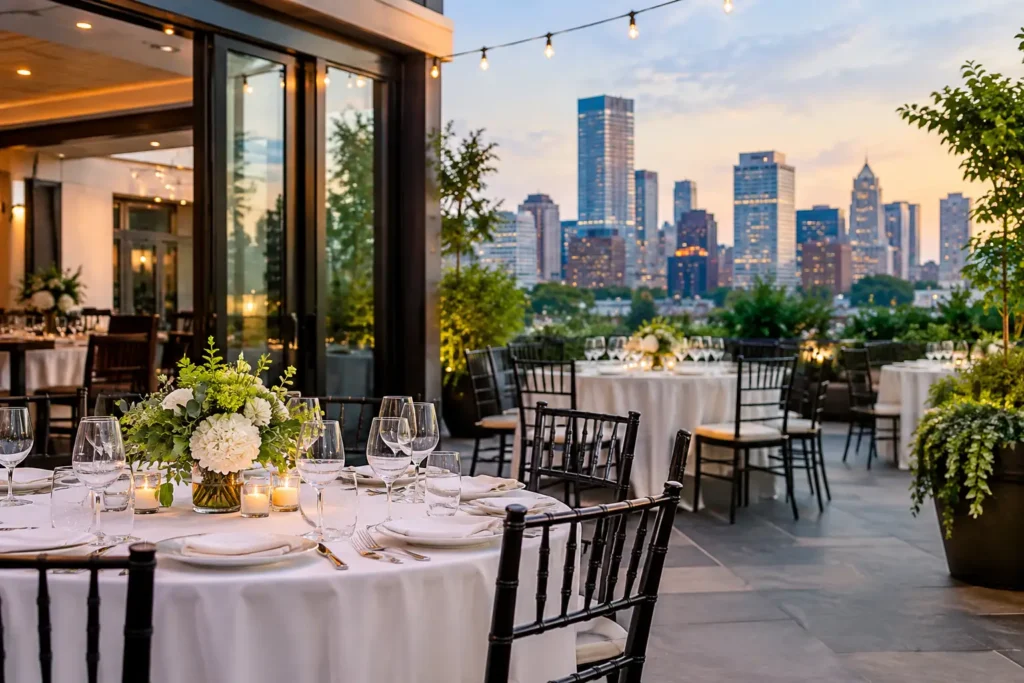
A private dinner can change the temperature of a business relationship. A birthday can become the story friends tell for years. But neither happens simply because a group has a reservation. When selecting dining event space, the room, menu, service, and timing have to work together with intention.
For Boston hosts, the stakes are often high. You may be welcoming clients after a Financial District meeting, gathering a team that rarely shares a table, or planning a celebration that deserves more than a standard banquet room. The right venue should feel polished from the first welcome through the last martini, while making the planning process feel clear and considered.
Start With the Occasion, Not the Headcount
Guest count matters, but it is not the most useful first question. Begin with what you want the room to accomplish. A client dinner calls for conversation, discretion, and an unhurried pace. A milestone birthday may need a stronger sense of arrival, a livelier drinks program, and a natural transition from dinner into a celebratory evening. A team event may benefit from enough structure to keep the evening moving without making colleagues feel seated through a presentation.
The same group of 30 people can require very different spaces. Thirty guests at a formal, seated dinner need comfortable table spacing and clear sightlines. Thirty guests at a cocktail-forward reception need room to circulate, set down a drink, and reconnect without forming a wall at the bar. Ask the venue how the space will be set specifically for your format rather than relying on its maximum capacity.
A room that technically fits your party can still feel cramped, noisy, or strangely empty. The best fit creates the feeling that the evening was designed for your group alone.
Select a Dining Event Space That Sets the Right Mood
Atmosphere is not a decorative extra. It shapes how guests arrive, interact, and remember the occasion. Consider the first five minutes: Is there a gracious point of arrival? Can coats be handled smoothly? Does the lighting flatter a celebratory table and still allow guests to read a menu? Is the setting quiet enough for a conversation that matters?
For an elevated evening, look beyond the four walls. Materials, music level, lighting, glassware, and table presentation all communicate something before the first course lands. Leather seating, warm tones, candlelit tables, and a well-composed bar can lend an event the confidence of a night out rather than the formality of a conference function.
That said, mood should serve the occasion. A high-energy lounge setting may be perfect for a birthday gathering or post-event cocktails, while a private or semi-private dining area may better suit a sensitive client conversation. The most versatile restaurants offer distinct experiences under one roof, allowing a group to begin with a refined dinner and continue the evening at a more social pace.
Privacy Means More Than a Closed Door
Hosts often ask whether a space is private, but the better question is how private it feels. A fully enclosed room can be ideal for speeches, confidential business, or a group that wants its own soundtrack. A semi-private setting may offer more energy and a stronger connection to the restaurant, which can be especially appealing for social events.
Consider sightlines, nearby traffic, and acoustics. If your CEO is offering a toast or your best friend is making a surprise speech, guests should not have to strain to hear. If the evening depends on candid conversation, tables should not be pressed against a busy walkway. Privacy is a spectrum, and the right level depends on why everyone is gathering.
Put the Food and Drinks at the Center of the Plan
A beautiful room cannot recover an average meal. When selecting dining event space, ask how the culinary team approaches groups. Does the menu reflect the same level of care as regular dinner service? Can the event include a few choices for guests without slowing the kitchen or creating confusion at the table? How are dietary needs handled, and when does the venue need that information?
A thoughtful group menu should feel like an occasion, not a compromise. It might open with shareable tapas that create conversation, move into composed courses for a more formal dinner, and finish with a dessert course worth lingering over. The exact format depends on your guests. A group of colleagues arriving directly from work may appreciate a welcome cocktail and generous passed bites. A seated anniversary dinner may call for a paced, chef-driven menu and an exceptional bottle selected for the table.
Wine and cocktail planning deserve equal attention. An outstanding wine list gives a host options across styles and price points, while a skilled bar program makes a welcome drink feel intentional rather than routine. Ask whether cocktails can be selected in advance, whether wine can be paired with the menu, and how nonalcoholic choices will be presented. Guests who do not drink should receive something considered, not an afterthought in a soda glass.
At Vintage Restaurant & Lounge Boston, the appeal lies in that balance: polished dining, an award-winning culinary perspective, a Wine Spectator-recognized list, and a lounge atmosphere that can carry a gathering beyond the final course.
Ask About Service Flow Before You Sign
Great event service is nearly invisible. Drinks are refreshed before anyone searches for a server. Courses arrive with a measured rhythm. A host is free to welcome guests, enjoy the table, and actually participate in the evening rather than answer logistical questions every ten minutes.
During the planning conversation, ask who will be your point person on the event day and whether a dedicated captain or service team will oversee the room. Clarify the arrival sequence, timing for speeches, cake service if applicable, and the expected duration of the meal. If the group is moving from cocktails to dinner, or dinner to the lounge, confirm how that transition will be managed.
It also helps to talk plainly about timing. A two-hour meal can feel rushed for a reunion and overly long for a weekday business dinner. If guests are arriving in waves, a hosted bar or passed appetizer period can give the room a relaxed opening. If a theater performance, train schedule, or office commitment is shaping the evening, the venue needs to know early enough to plan the pace.
Make the Budget Feel Intentional, Not Restrictive
A clear budget is a planning advantage. It allows the event team to recommend the right format rather than present options that do not fit. Share your comfort level for food and beverage per guest, then ask what is included: menu selections, bar service, room fees, staffing, tax, gratuity, and any food-and-beverage minimums.
The lowest per-person figure is not always the strongest value. A slightly higher investment may provide a more private setting, better menu flexibility, a dedicated service team, or a drinks experience that makes the event feel genuinely special. On the other hand, a weekday lunch or early-evening gathering may achieve the same sense of occasion with a more efficient format.
Avoid vague assumptions around the bar. An open bar, consumption bar, wine service at the table, and hosted cocktails followed by cash bar service all create different guest experiences and different final totals. There is no universal right answer. Choose the structure that suits the group and the purpose of the event.
Visit With Your Guests in Mind
Photos can establish a mood, but an in-person visit reveals how the room lives. Visit around the time your event will take place if possible. Notice the lighting as the day changes, the energy at the bar, the volume of nearby tables, and the flow from entrance to event space.
Stand where your guests will stand. Can someone using a mobility device move comfortably? Is there a natural area for greeting, gifts, or a small welcome display? If the event includes presentations, check where a speaker would stand and whether every guest can see. These details do not make an event glamorous, but they make it effortless.
Bring a short list of priorities, but trust your response to the room. The right space often makes the evening easy to picture: glasses catching the light, a beautifully set table, guests settling in, and the quiet confidence that everyone is in good hands.
The best dining event space does more than accommodate a group. It gives people a reason to stay for one more glass of wine, one more conversation, and one more memorable moment together.